
N.B. Businesses: 77% Have No Website Listed in OpenStreetMap
According to the New Brunswick Digital Barometer (October 2026), 23% of businesses listed in OpenStreetMap show a website there, with wide gaps between cities and sectors. Here is how to read these numbers, their limits, and what to do with them in your business.
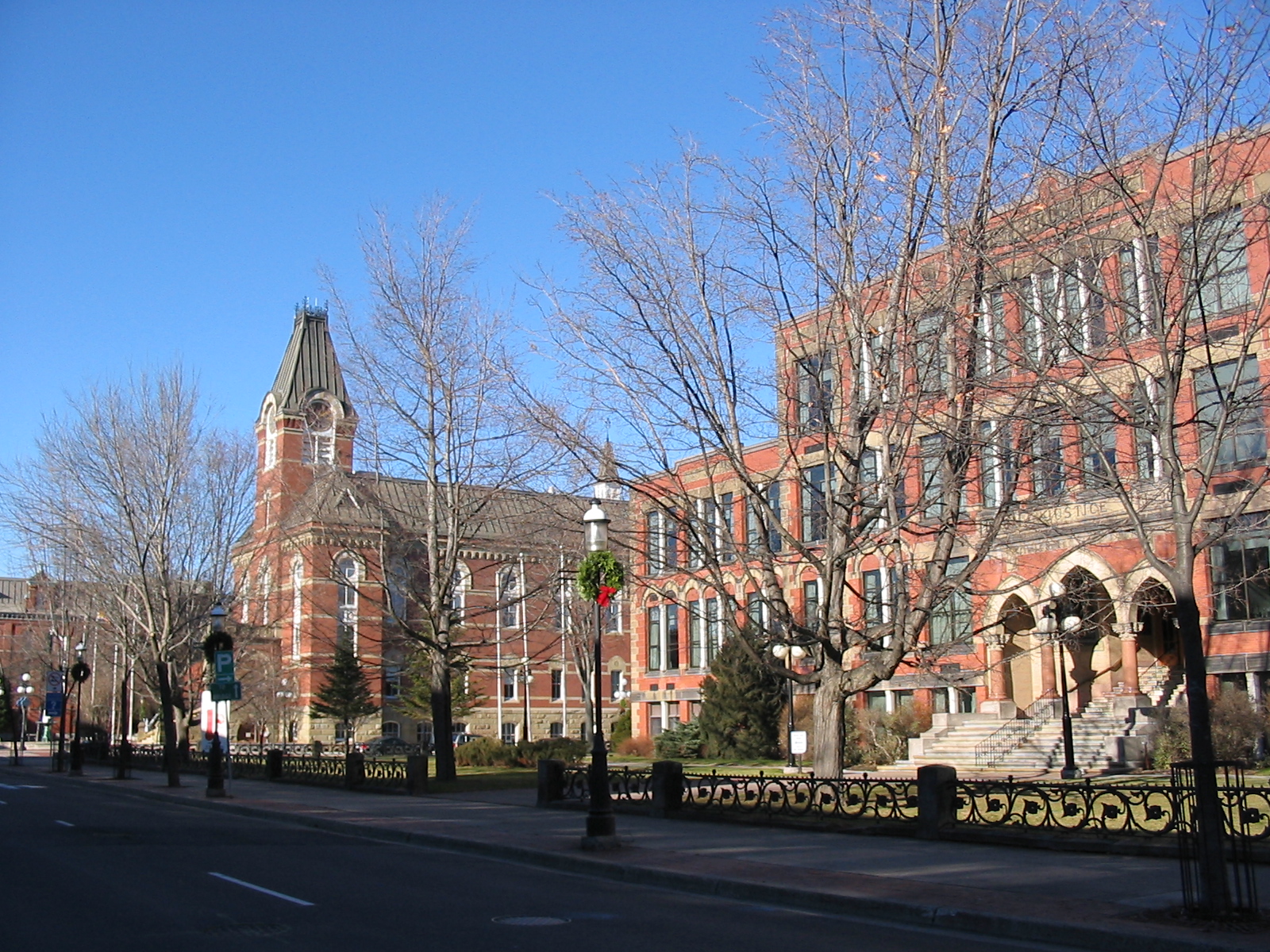 Photo : Chris Campbell, CC BY 2.0 (Wikimedia Commons)
The essentials in 30 seconds
- Across the province, 23% of businesses listed in OpenStreetMap show a website there and 11% show their opening hours: 77% show no website.
- The gaps are significant. Among the 15 cities with the most listed businesses, Saint Andrews has 46% of businesses with a website listed, and Caraquet 8%. By sector, "Beauty" is at 5% and "Accommodation" at 43%.
- These figures measure what is listed in OpenStreetMap, not businesses' actual online presence. They are a signal, not a verdict.
The context
When a potential customer looks for a business, they first come across public information: a listing on a map, a website, opening hours, a phone number. The easier this information is to find and the more up to date it is, the less the customer hesitates.
The New Brunswick Digital Barometer, in its October 2026 edition, looks at this "first impression" using data from OpenStreetMap, a collaborative mapping database. It counts the businesses listed and checks whether a website or opening hours are shown.
One clarification is needed right away: this database is maintained by contributors. A business may well have a website without it appearing in OpenStreetMap. The percentages that follow therefore describe the information listed in this source, and not everything that exists on the Web.
What the data says
Province-wide. Among the businesses listed in OpenStreetMap, 23% show a website and 11% show their opening hours. In other words, 77% show no website. The gap between the 23% (website) and the 11% (hours) is instructive in itself: even when a listing exists, it is often incomplete.
Between cities. Among the 15 cities with the most listed businesses, Saint Andrews has the highest share of businesses with a website listed (46%), and Caraquet the lowest (8%). The gap is considerable, but we should avoid jumping to conclusions. It may reflect different economic realities, but also how up to date the data is in each community. The figures alone don't let us settle the question.
Between sectors. The "Beauty" sector is the least present online by this measure, with 5% of businesses having a website listed. At the other end, "Accommodation" reaches 43%. This contrast isn't surprising in itself: an accommodation business depends on bookings that are often made remotely. But the barometer doesn't say why the gaps exist, and we will refrain from putting forward explanations as if they were facts.
Limits to keep in mind.
- The source is OpenStreetMap: only the businesses listed there are counted.
- "Website listed" does not mean "no website" when the information is missing.
- The city ranking covers the 15 cities with the most listed businesses, not all municipalities in the province.
What this means for your organization
If you run a business. The most cautious reading is also the most useful: what the public can find about you is probably incomplete, unless you've checked. If your website and hours don't appear in public sources, a customer looking for you has fewer reasons to choose you over a competitor whose listing is complete. This is a working hypothesis, not a result measured by the barometer, but it can be checked in a few minutes.
If you're in a sector with little online presence. A sector at 5% of websites listed, like "Beauty," suggests that businesses that take care of their listing can stand out. Again, this is a lead to test rather than a promise: the barometer measures neither customers won nor sales.
If you're in a sector with a strong online presence. In "Accommodation" (43%), having a website listed is more common. The challenge then shifts to quality: up-to-date hours, contact details, photos and reviews. According to Google's Business Profile help, a complete and accurate listing (category, hours, contact details), along with reviews and photos, helps local ranking, which depends on relevance, distance and prominence.
If you follow the local economy (elected officials, public servants, investors). These figures show there is room for improvement in basic visibility, with gaps between communities. They invite questions rather than conclusions: is the data up to date in my city? Which sectors would benefit from being better documented?
What to do now
- Search for your business the way a customer would. Type its name and city into a search engine and on a map. Note what is missing or wrong: website, hours, phone number, address.
- Complete your Google listing. Google explains how to edit the listing's information: name, category, address, hours, phone number and website. Start with the hours, since that is the information least often listed in the barometer's data.
- Ask for reviews and respond to them. Google describes how to share a link or QR code to collect reviews, and why it's useful to respond to them.
- Add photos. Google's help explains how to add and manage the listing's photos.
- Check your website on mobile. Google uses the mobile version of a site to index and rank it, and the content must be the same on mobile and on desktop. Open your site on a phone and compare.
- If you have a website, consider LocalBusiness structured data. It can tell Google the business's hours, address and phone number. This is technical work: hand it to the person who manages your site.
- Set a review date. A listing that is accurate today can become wrong after a schedule change. A quarterly reminder is enough to keep it in mind.
At the scale of a city or a region, the same logic applies: a small effort to take stock of public information is a good starting point before any more ambitious project.
Sources
- Baromètre numérique du N.-B., édition de octobre 2026
- Google, aide Fiche d'établissement : améliorer son classement local
- Google, aide Fiche d'établissement : modifier sa fiche
- Google, aide Fiche d'établissement : obtenir plus d'avis
- Google, aide Fiche d'établissement : photos et vidéos
- Google Search Central : indexation orientée mobile
- Google Search Central : données structurées LocalBusiness